01 · EARTH · THE LIGHT WE WASTE
Bortle Observatory
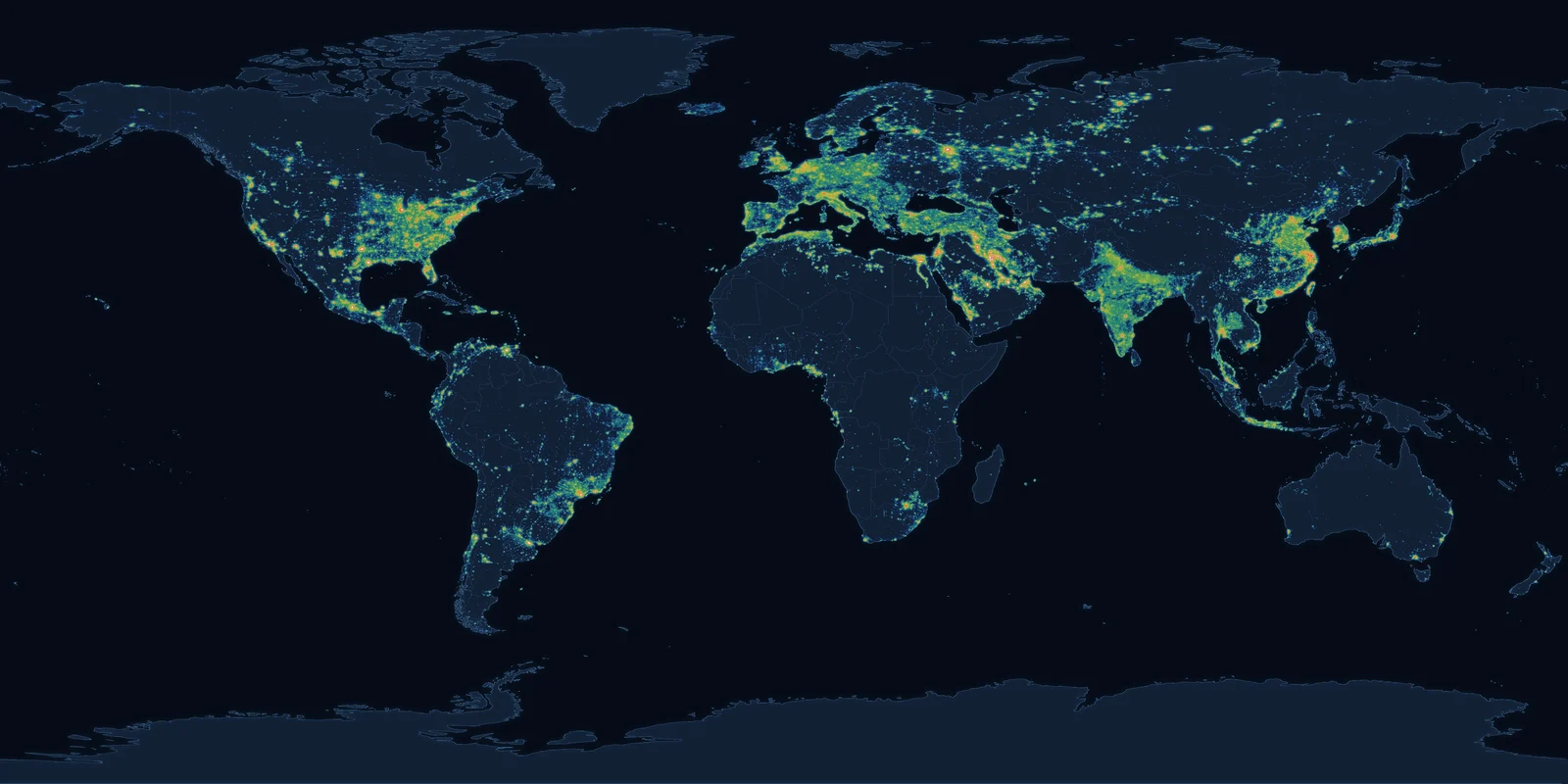
A 3D globe built on the 2025 light-pollution atlas. Tap anywhere on the planet to see its estimated Bortle class, the light domes on its horizon and what tonight will look like with today’s Moon.
 BORTLE CEROFirmamento
THREE OBSERVATORIES · ONE SKY
Firmamento
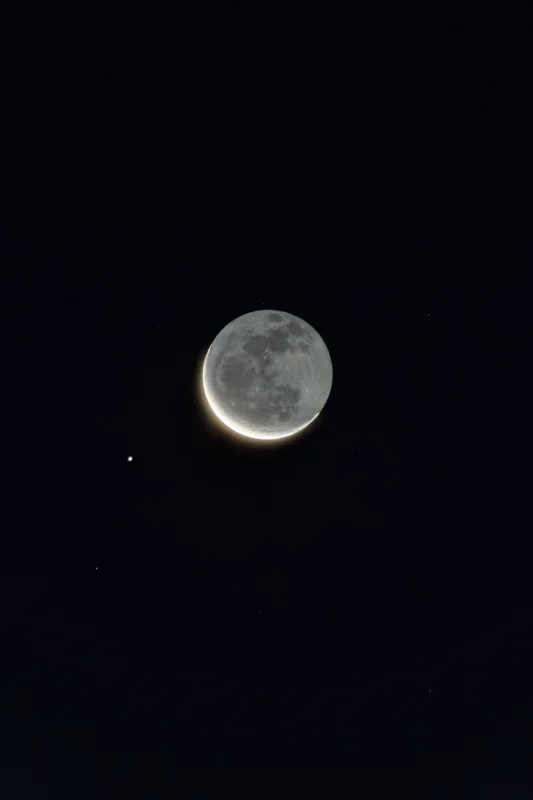
THE MOON, TODAY
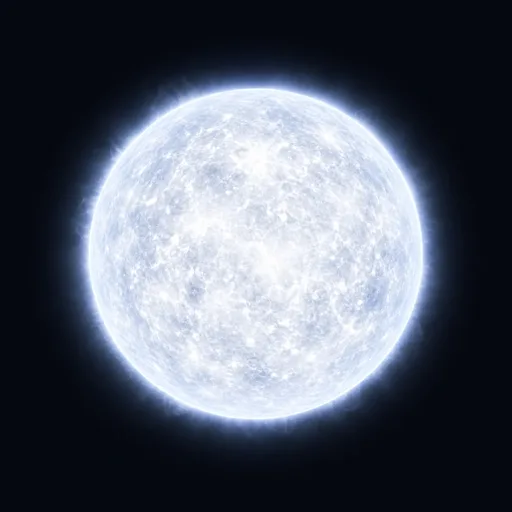
SIRIUS · 8.6 LIGHT-YEARS
01 — LIGHT
Bortle Cero follows light across three distances: the light we switch on down here that erases the sky, the light the Moon hands back from the Sun, and the light that left a star years ago and is only now arriving.
TIME FOR LIGHT TO REACH US · LOGARITHMIC SCALE
0 s
A city’s glow doesn’t travel: it hangs in the air and wipes out the stars for hundreds of kilometres.
Bortle Observatory1.3 s
The Moon doesn’t shine on its own: it reflects the Sun. That light crosses 384,400 km in just over a second.
Observatorio Lunar ES8.6 years
The light from Sirius you see tonight left more than eight years ago. Every star is a date.
El puente estelar02 — THE SCALE
The Bortle scale rates the darkness of the night sky from 1 to 9. Class 1 is the darkest sky ever catalogued. Zero isn’t on the scale: it’s the sky we imagine, cleaner still. That’s where this project is looking.
SQM: zenith sky brightness in mag/arcsec². Conventional reference ranges. Between class 7 and 8 the sky stops being blue and turns sodium orange.
Assess your light footprint ES03 — ORIGIN
Bortle Cero grew out of Miguel’s nightscapes and his eclipse chasing: the Milky Way over the cardón cacti of Baja California, Earth’s shadow on the Moon, totality in Mazatlán in 2024. Every observatory in this sky started as a night in front of the camera.
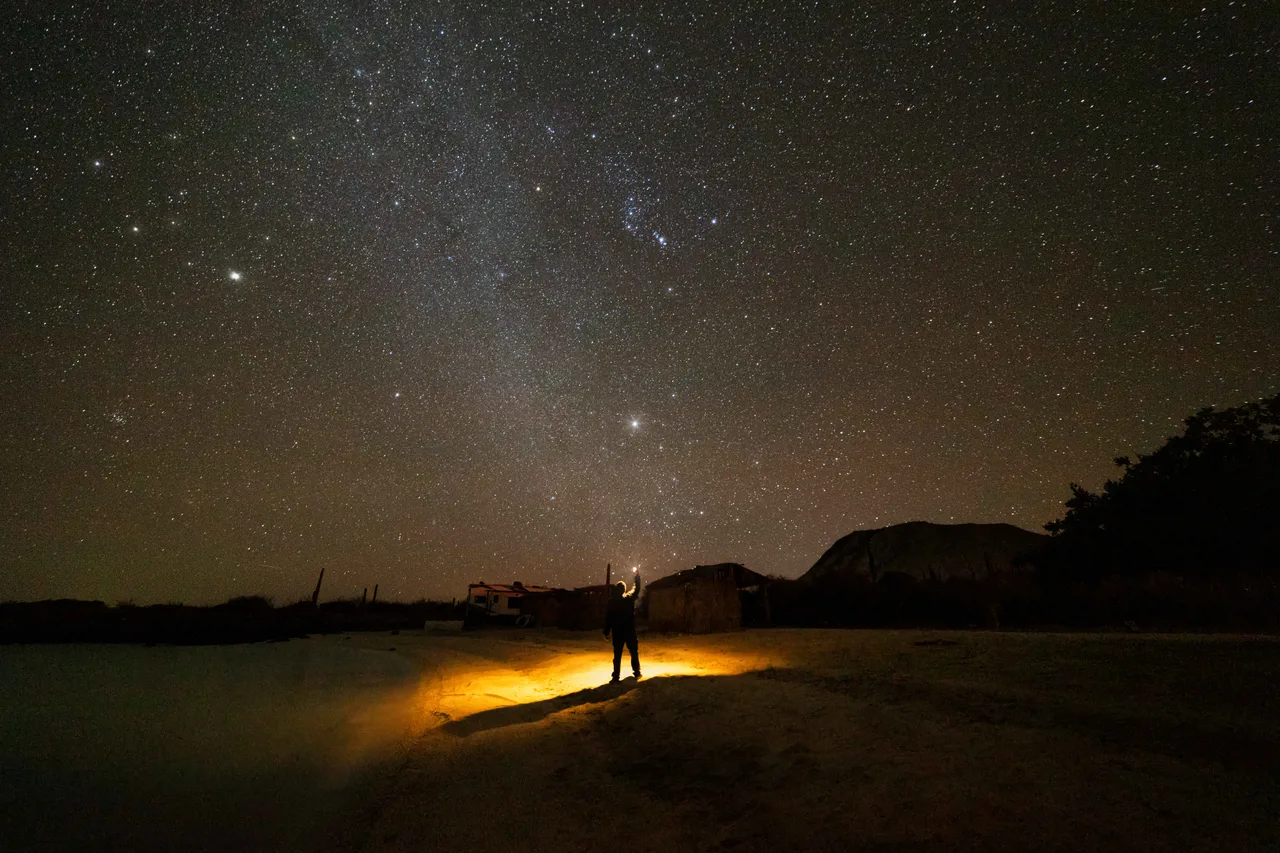
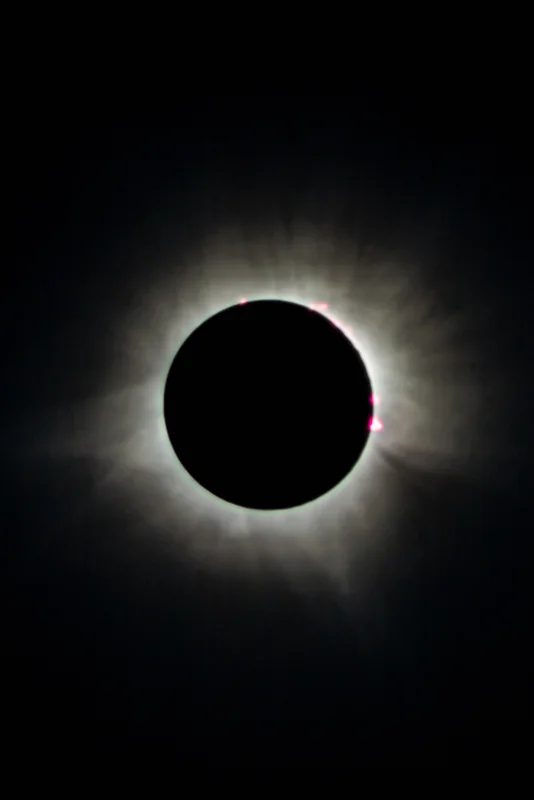
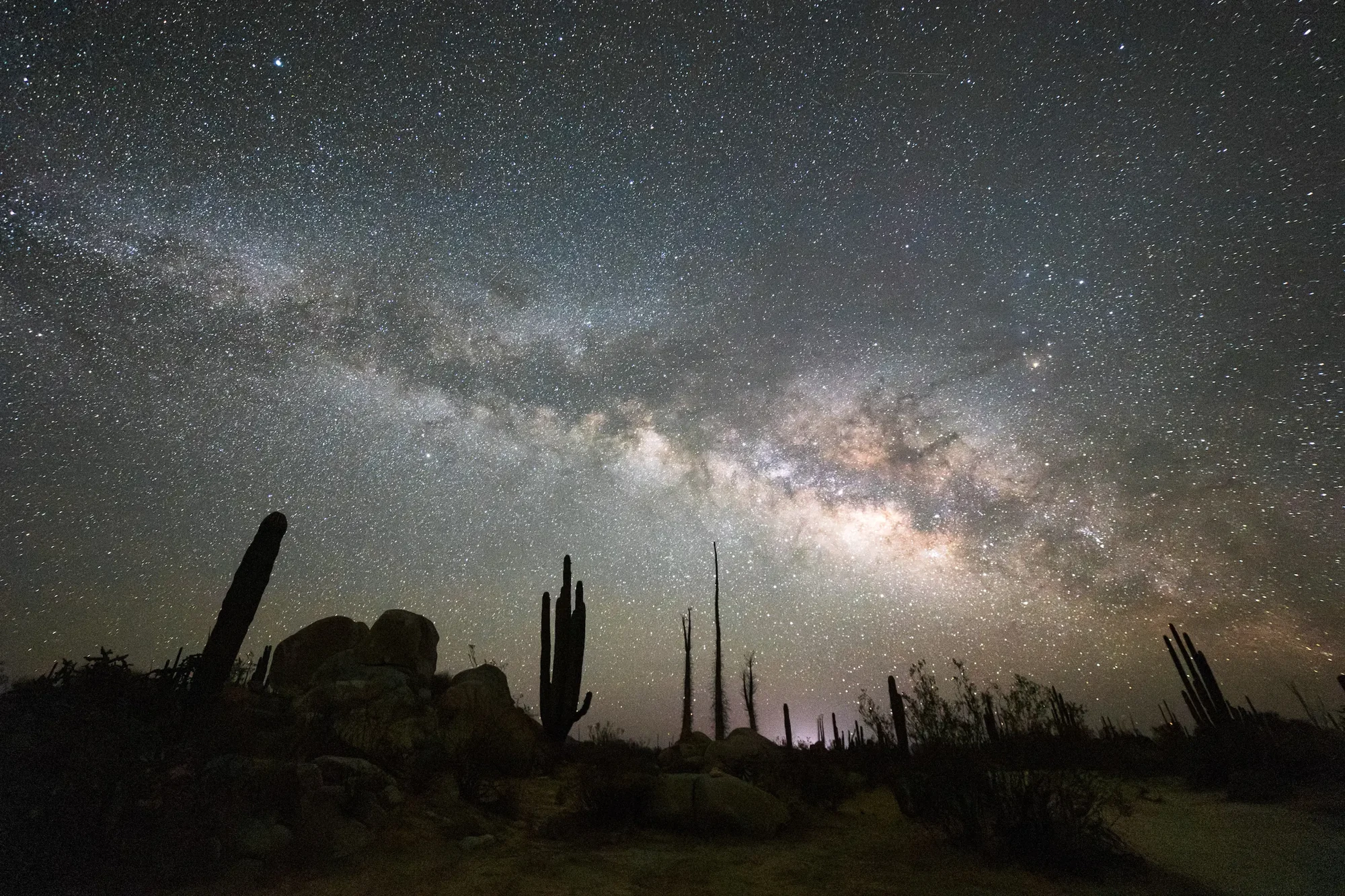
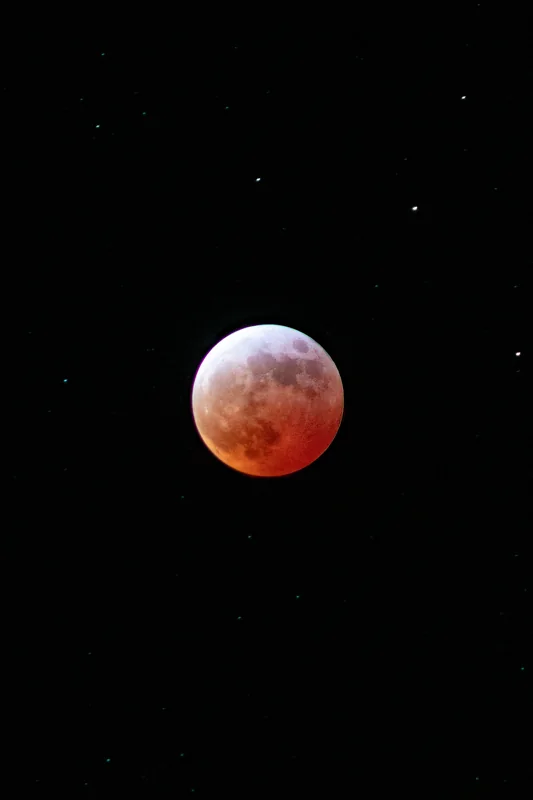
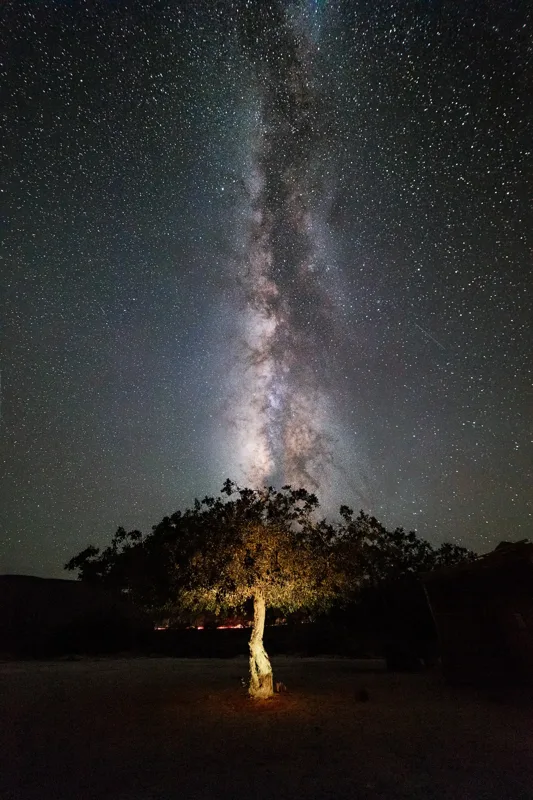
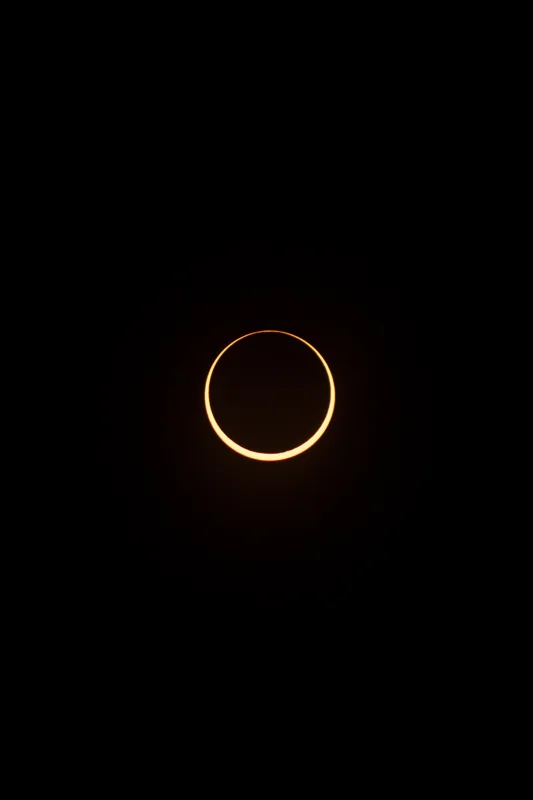
Photographs by Miguel · Bortle Cero
MILKY WAY · PLAYA LA PERLA, BAHÍA CONCEPCIÓN, BAJA CALIFORNIA SUR · MAY 2025
Three doors into the same sky. Pick your way in.